Setting: A hacienda field transforms into a revolutionary camp. Horses stamp in the background. The year is 1910.
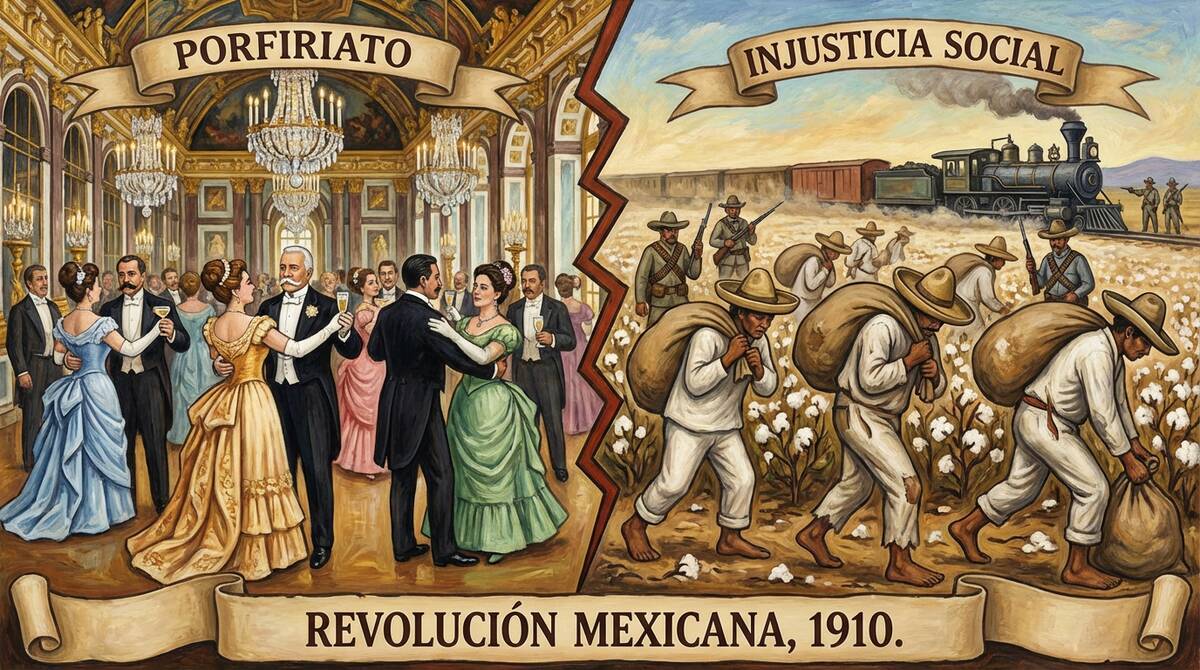
Narrator 1: For thirty years, one man ruled Mexico with an iron fist: Porfirio Díaz. Under his rule, called the "Porfiriato," the country modernized—railroads stretched across the land, foreign investors poured in money, and Mexico City glittered like a European capital.
Narrator 2: But there was a price. The wealth went to a tiny elite while the campesinos—the peasant farmers—lost their ancestral lands. Millions lived in poverty, working fields they once owned.
(Campesinos work the field, bent over, exhausted.)
Campesino 1: (Wiping sweat) My grandfather farmed this land freely. Now I work it as a slave, and the harvest goes to men who have never touched the soil.
Campesino 2: Díaz promised us progress. Where is our progress?
Narrator 1: In 1910, the dam broke. A reformer named Francisco Madero challenged Díaz in an election. When Díaz stole the vote, Madero called for armed revolution.
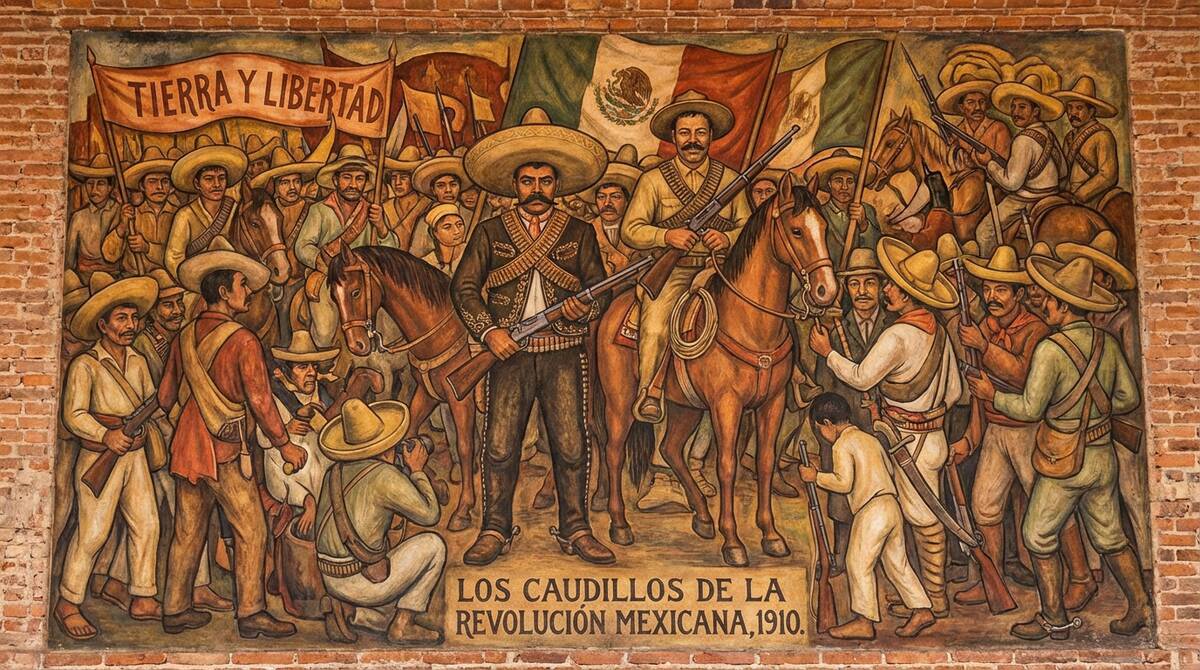
(Emiliano Zapata enters, standing tall.)
Emiliano Zapata: (Voice ringing with authority) Brothers and sisters! For too long, we have bent our backs so others could live in palaces. The land belongs to those who work it!
Campesino 1: But Zapata, we are farmers, not soldiers!
Zapata: Today, every farmer becomes a soldier. Every mother becomes a guardian. We fight not for power—we fight for Tierra y Libertad! Land and Liberty!
Campesino 2: (Rising, fist raised) Tierra y Libertad!
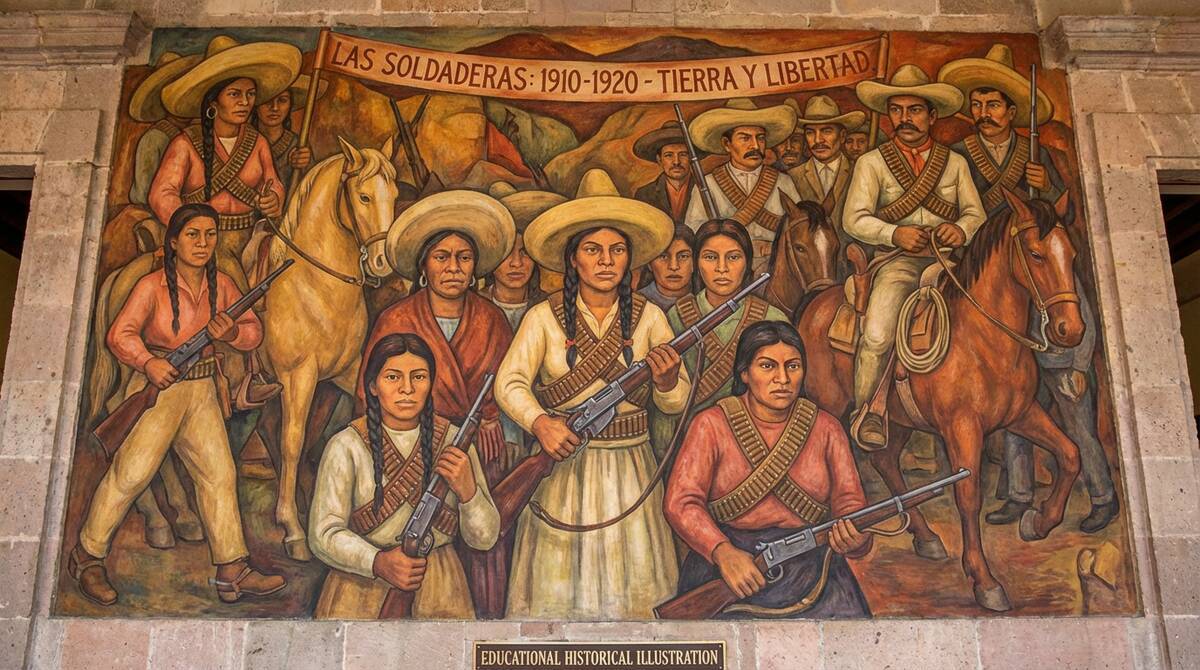
(A Soldadera steps forward—a woman soldier with rifle.)
Soldadera: You think this is a fight for men alone? The women of Mexico feed the armies, nurse the wounded, carry the ammunition—and yes, we pull the trigger too. We are not following our husbands. We are fighting for our children.
Narrator 2: The Mexican Revolution lasted ten brutal years. One million people died. Heroes like Zapata and Pancho Villa became legends—and martyrs.
Narrator 1: But from the ashes came a new Constitution in 1917—promising land reform, workers' rights, and education for all.
Zapata: (Final declaration) It is better to die on your feet than to live on your knees!
Narrator 2: Zapata was assassinated in 1919, but his cry echoes through history. Whenever injustice rises, Mexicans remember: Tierra y Libertad.